Organic social media plays a key role in how businesses connect with their audience, build brand awareness and drive sales. When comparing organic social media vs paid, it is important to understand how each approach supports different goals and how they work together within a broader strategy.
Organic social media refers to the content you post on your channels without paid promotion, such as posts, stories and ongoing engagement with your audience. Paid social media involves advertising on platforms like Facebook, Instagram and LinkedIn to reach a targeted audience beyond your existing followers. In simple terms, organic builds relationships while paid drives reach and measurable results.
What is Organic Social Media?
Organic social media is all about building your brand presence naturally over time. It includes:
- Regular posts on your feed
- Stories and updates
- Responding to comments and messages
- Engaging with your audience
Below are graphics that we designed for real clients social media profiles, which drove real organic results:
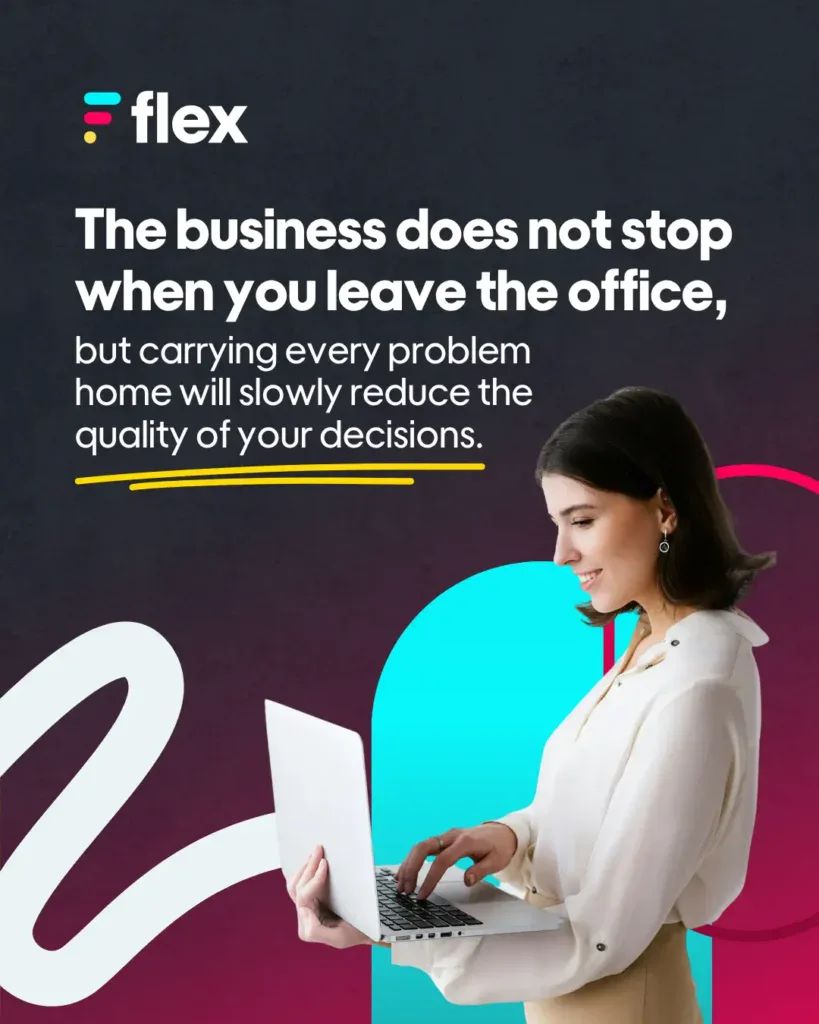


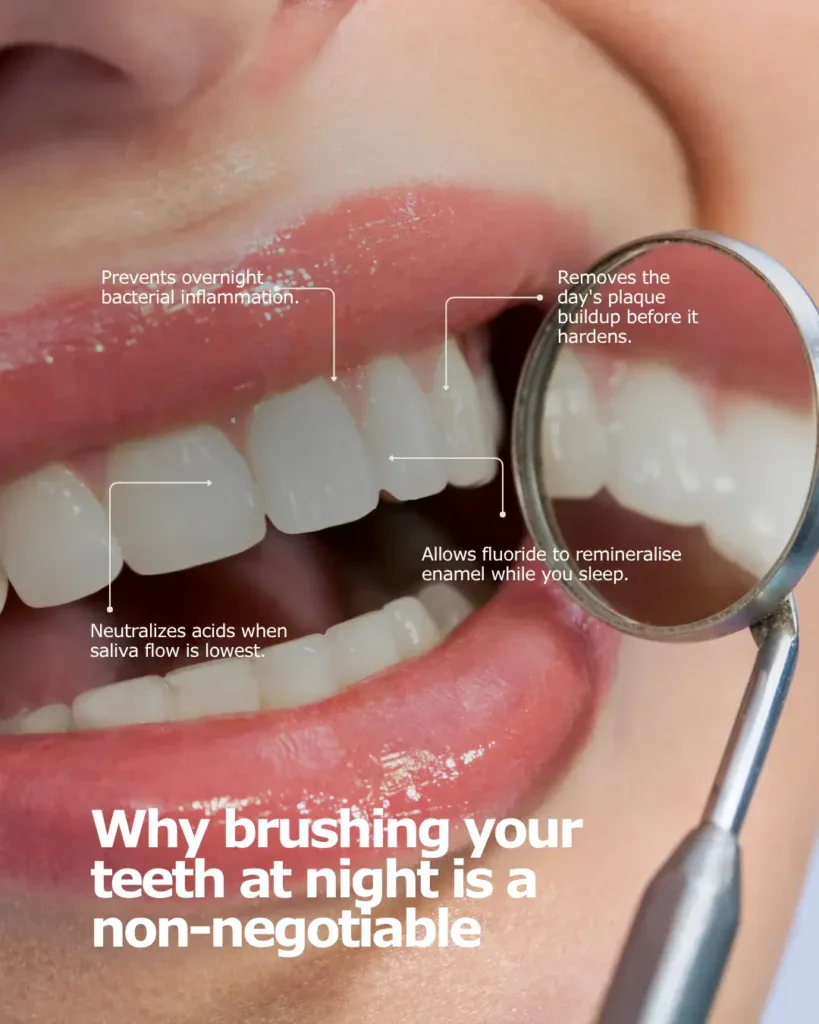
The goal is to create meaningful connections, build trust and keep your brand top of mind.
However, organic reach has declined over time, meaning your content is usually seen by a smaller portion of your audience unless it performs particularly well.
What is Paid Social Media?
Paid social media refers to advertising on social platforms where you pay to promote your content to a specific audience.
This can include:
- Sponsored posts
- Display ads
- Video ads
- Lead generation campaigns
Below are graphics that we used to create real ads for real clients, which drove real results:


Paid social allows you to reach users who are not already following your brand, making it a powerful tool for growth and conversions.
Key Differences Between Organic Social Media vs Paid Social
The main difference comes down to visibility, control and speed. Organic social focuses on long term brand building and engagement, while paid social is designed to deliver faster, more targeted results.
A well rounded strategy typically includes both.
Reach and Visibility
Organic reach is limited and depends on platform algorithms. Your content is mainly shown to existing followers, and even then, not all of them will see it.
Paid social increases your visibility by placing your content in front of a larger, targeted audience. This is especially useful when promoting campaigns or key offers.
Cost and Budget Considerations
Organic social does not require ad spend, but it does require time, consistency and content creation. Paid social requires a budget, which can vary depending on your goals, audience and competition. The advantage is that you can control your spend and scale campaigns based on performance.
Speed of Results
Organic social is a long term strategy. It takes time to build an audience, grow engagement and see consistent results. Paid social can deliver results quickly. Campaigns can start generating traffic, leads or sales soon after launch.
Audience Targeting Capabilities
Organic social relies on your existing audience and those who discover your content naturally. Paid social offers advanced targeting options, allowing you to reach specific audiences based on:
- Location
- Interests
- Behaviour
- Demographics
This makes paid social highly effective for reaching the right people at the right time.
Content Strategy Differences
While both require strong creatives, the intent behind the content differs.
Organic content focuses on value and engagement.
This includes:
- Educational posts
- Entertaining content
- Behind the scenes updates
- Community interaction
Paid content is more goal driven and conversion focused.
It is designed to:
- Drive clicks
- Generate leads
- Increase sales
- Promote specific offers
When to Use Organic Social Media vs Paid Social Media
Organic social is best when you want to:
- Build brand awareness over time
- Create a loyal community
- Engage with your audience
- Share valuable or informative content
It forms the foundation of your social media presence.
Paid social is ideal when you need to:
- Reach a larger audience quickly
- Promote products or services
- Drive traffic to your website
- Generate leads or sales
It is particularly useful for campaigns, launches and scaling your reach.
How Organic and Paid Social Work Together
The most effective strategies combine both organic and paid efforts. Organic content builds trust and credibility, while paid campaigns expand your reach and drive measurable results.
For example:
- Use organic posts to test what performs well
- Promote high performing content with paid ads
- Use paid campaigns to reach new audiences
- Support engagement through ongoing organic content
This creates a balanced and sustainable approach.
Common Mistakes to Avoid
Many businesses fall into common traps when managing social media:
- Relying only on organic reach
- Running paid ads without a clear strategy
- Not tracking performance or results
- Ignoring audience engagement
- Treating all platforms the same
Avoiding these mistakes can significantly improve your results.
Understanding the difference between organic and paid social media is key to building an effective strategy. Organic helps you build relationships and trust over time, while paid helps you scale your reach and achieve faster results.
The most effective approach is to use both together, creating a strategy that supports both short term wins and long term growth.